Most hurricane damage in South Florida that turns into a long, expensive claim isn't the wind itself. It's the water that gets in afterward and sits too long. This checklist covers what to do before a storm, and the first steps after it passes, for homes and businesses in Fort Lauderdale, Broward, Palm Beach and Miami-Dade.
Before the storm
- Photograph and video your property inside and out, including roofs, windows, floors and major belongings. A before record makes a claim much easier.
- Know where your main water shutoff and electrical panel are, and make sure they're reachable.
- Clear gutters, downspouts, balcony drains and yard drains so water can leave the property.
- Move valuables, documents and electronics off floors and away from windows and sliding doors.
- Keep digital copies of your insurance policies and your agent's contact details.
- Save emergency numbers, including a 24/7 water damage company, before cell service gets busy.
After the storm: safety first
- Don't enter standing water if power may still be on, and stay away from downed lines.
- Treat floodwater as contaminated. It can carry sewage, chemicals and debris, so avoid skin contact and keep children and pets away.
- If the structure looks unsafe (sagging ceilings, cracked framing), stay out and wait for a professional.
The first 24–48 hours
- Document before you clean. Take photos and video of water lines on walls, wet floors, roof and window damage, and damaged belongings.
- Stop more water from getting in: tarp roof openings and board broken windows when it's safe to do so. Keep receipts for these emergency repairs.
- Report the claim to your insurer as soon as possible.
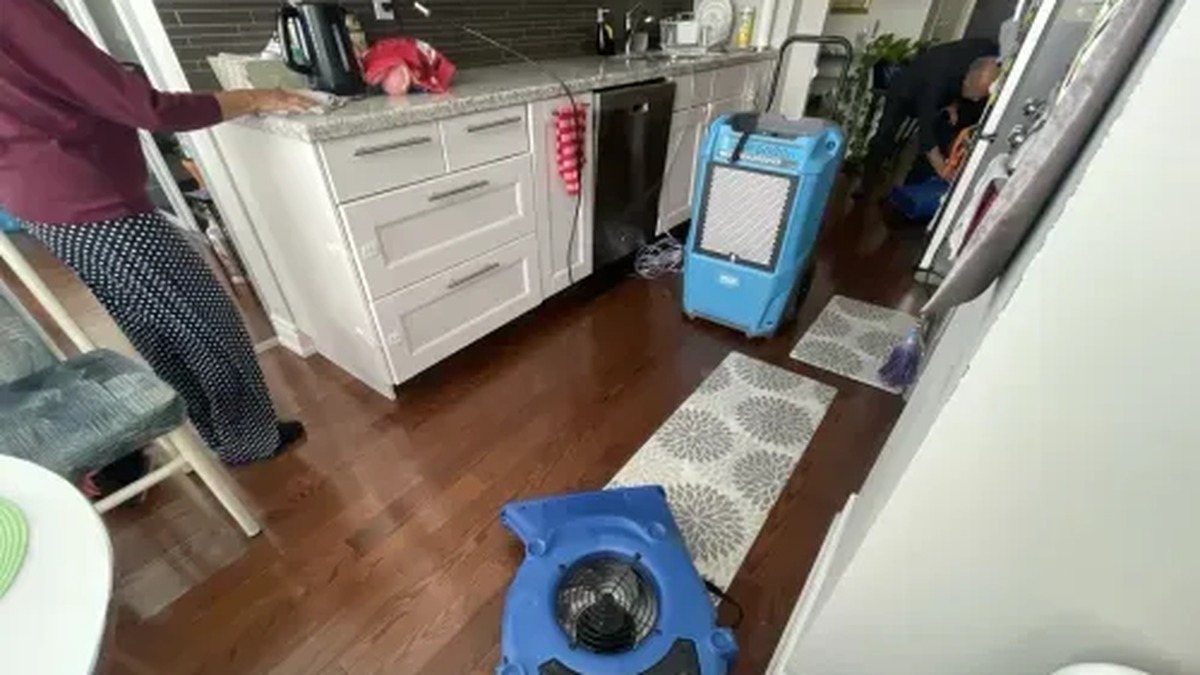
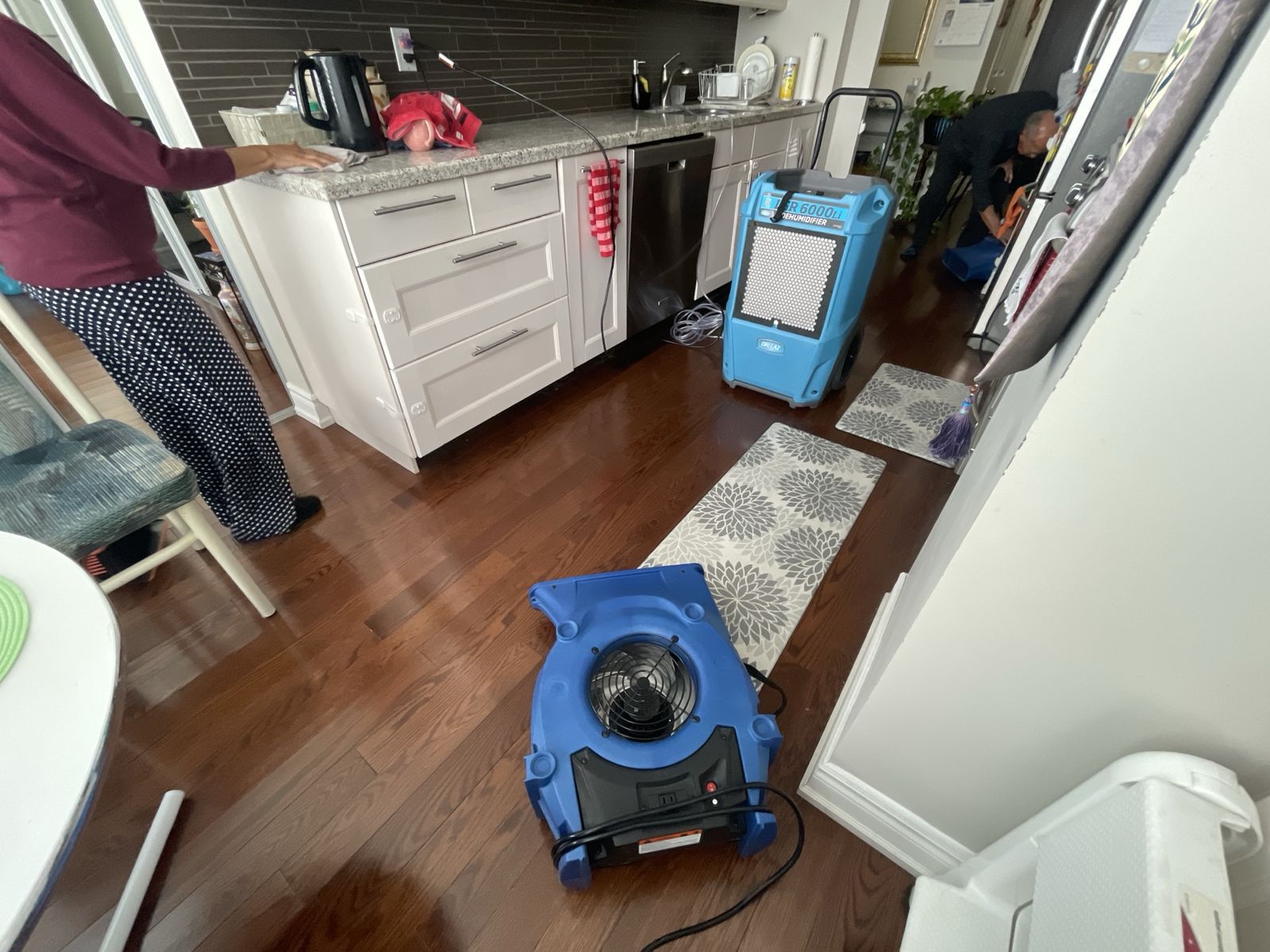
- Get water out and drying started. In South Florida heat and humidity, mold can start within 24–48 hours on wet drywall, carpet pad and cabinet bases.
- Don't throw away damaged items until they're documented, unless they're a health hazard.
- Be careful with door-to-door contractors. Ask for a license number, a written scope and a written estimate, and read anything before you sign it.
Why moisture readings matter for your claim
Water travels behind baseboards, under flooring and up inside walls, so a room can look dry while the structure is still wet. Daily moisture readings show where water actually went, justify the drying equipment used, and prove when materials reached a dry standard. That record is what adjusters look for.
How ZM MADE Restoration helps after a storm
We respond 24/7 across Fort Lauderdale, Broward, Palm Beach and Miami-Dade with water extraction, structural drying with daily moisture readings, removal of damaged materials, and licensed mold remediation (Florida license MRSR5858). Every job is documented with photos and readings for your insurance claim. We also rent dehumidifiers, air movers and HEPA air scrubbers if you're handling a smaller loss yourself.
Storm water inside your property? Call (561) 980-7688 or request an estimate.
This checklist is general information, not insurance or legal advice.