Some of the biggest water damage jobs start with the smallest parts: a rubber washing machine hose, a dishwasher supply line or the thin tube feeding a refrigerator ice maker. They're under constant pressure, hidden behind appliances, and they fail without warning.
How appliance lines fail
- Washing machine hoses crack or burst with age, especially rubber hoses.
- Dishwasher supply and drain lines loosen or crack, and leaks drip into the cabinet and subfloor unseen.
- Refrigerator ice maker lines, often thin plastic, kink, crack or pull loose when the fridge is moved.
- Drain backups from clogged lines overflow during a cycle.
Signs of a slow leak
- Swollen or soft cabinet bottoms under the sink or dishwasher
- Cupping or lifting flooring in front of appliances
- Stains or bubbling on baseboards near the laundry area
- A musty smell in the kitchen or laundry room
- In condos, a stain on the ceiling of the unit below
Prevention that actually works
- Replace rubber washer hoses with braided stainless steel and replace them every few years.
- Turn off the washer supply valves when you travel.
- Leave a small gap behind the washer so hoses don't kink.
- Use a braided or copper line for the ice maker.
- Consider leak sensors or an automatic water shutoff valve.
- Check under the sink and behind appliances every few months.
If it's already leaking
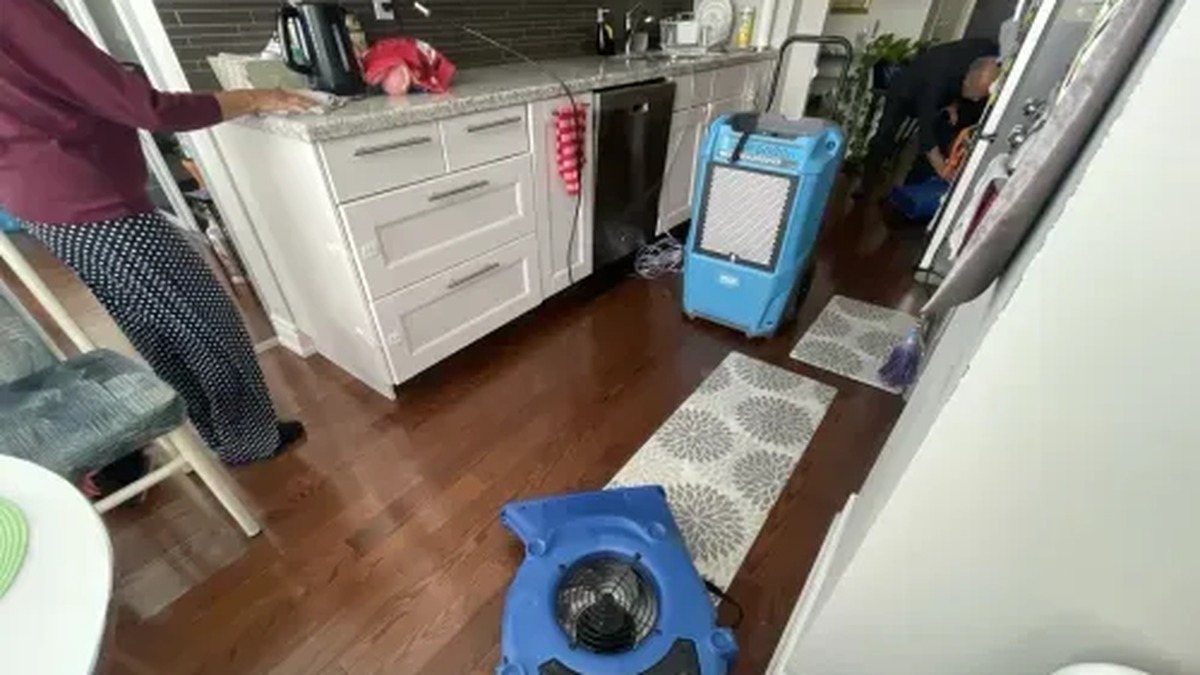
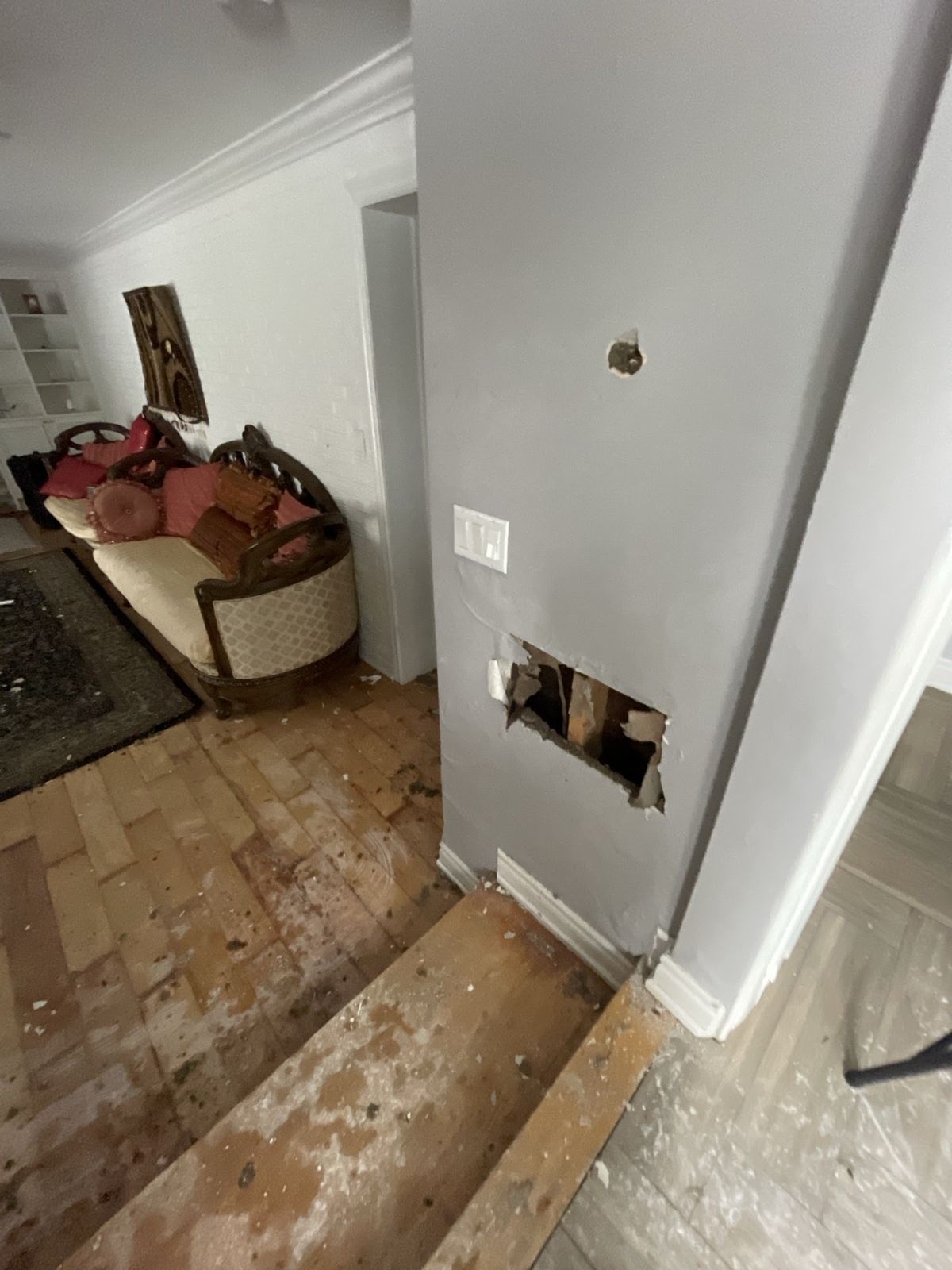
Shut off the supply valve or the main, unplug the appliance if it's safe, document the damage and call for drying. Water under cabinets and flooring doesn't dry by itself.
ZM MADE Restoration dries kitchens, laundry rooms and the units below them across Fort Lauderdale and South Florida, 24/7. Call (561) 980-7688.