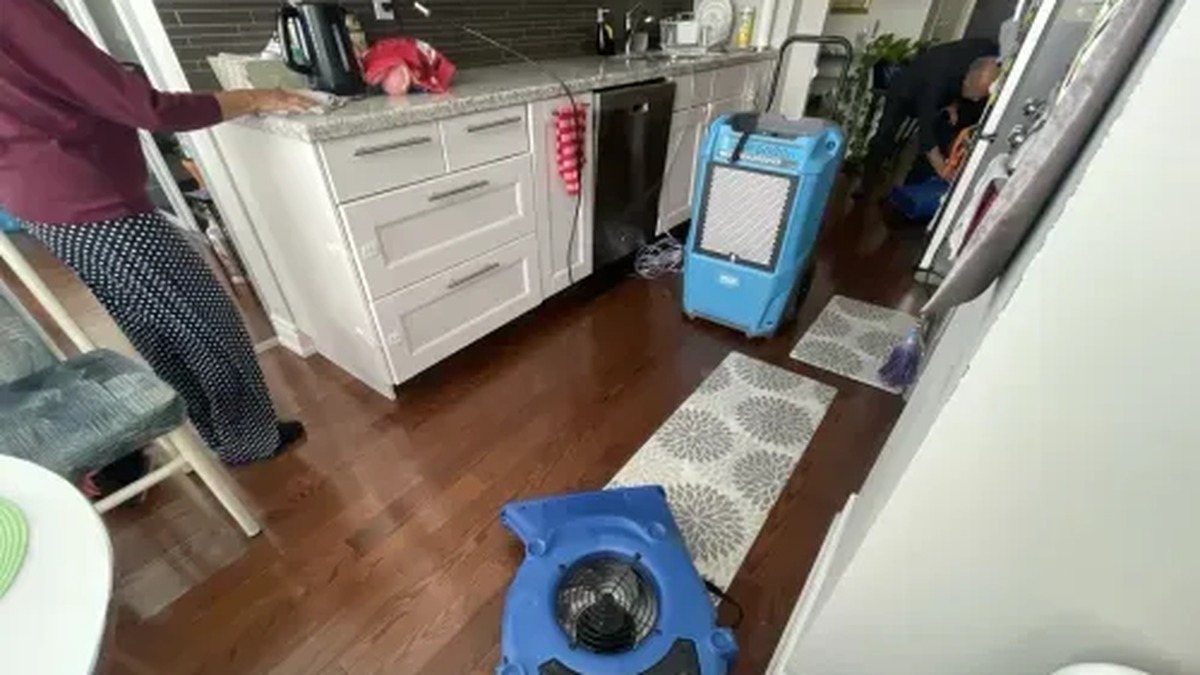
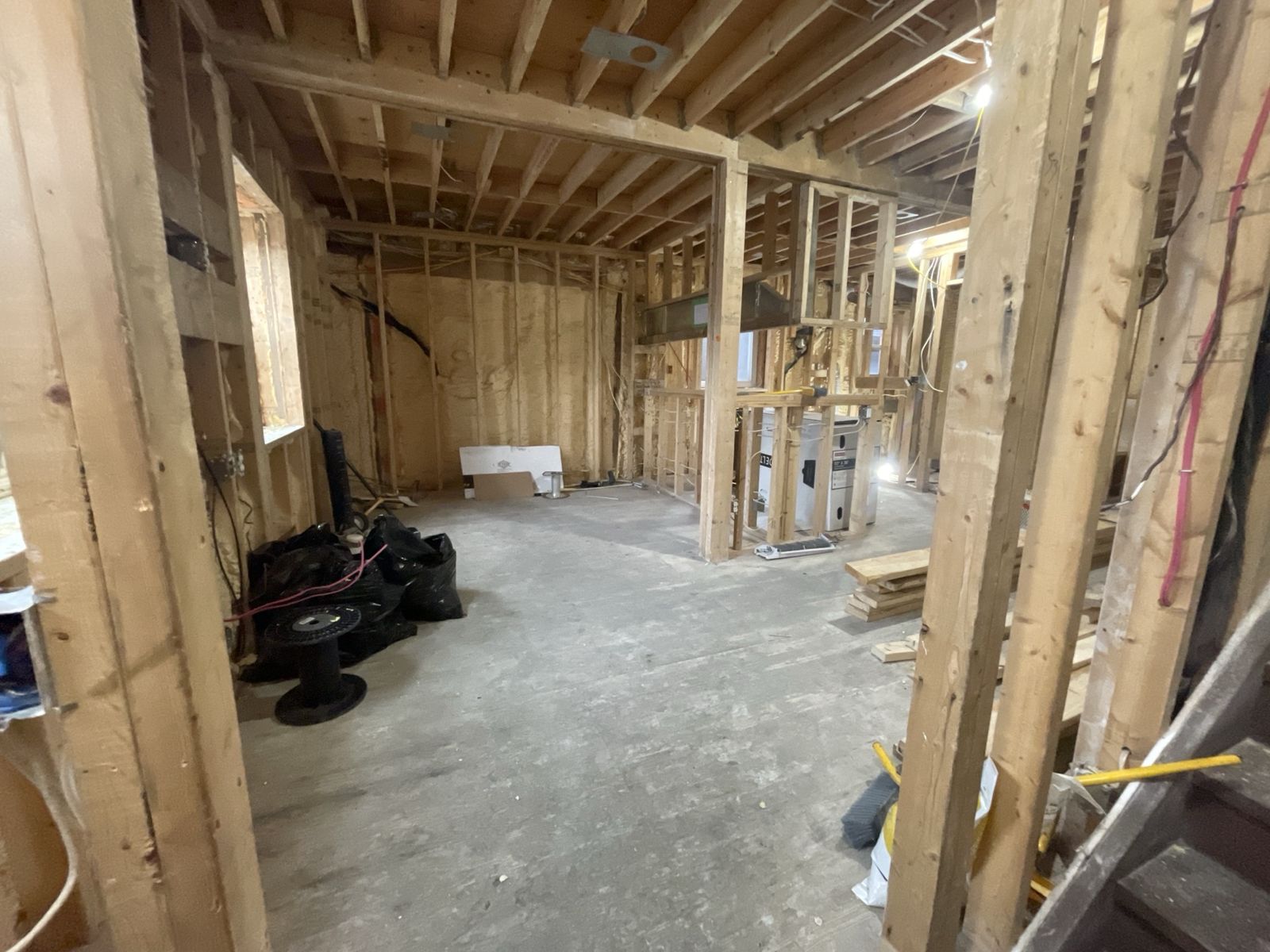
Floors take the worst of most water losses. Whether yours can be saved depends on the material, what is underneath it, the water category and how fast drying starts.
Ceramic and porcelain tile
Tile itself doesn't absorb much water, and tile over a concrete slab, common in South Florida, can often stay. The risk is water trapped under the tile and in the slab. Loose or hollow-sounding tiles and cracked grout are signs of trouble. Readings tell us whether the slab is drying.
Solid hardwood
Hardwood absorbs water and cups or crowns. Caught early, it can sometimes be dried in place with specialized equipment and then refinished. Heavy cupping, buckling, or long exposure usually means replacement.
Engineered wood and laminate
Laminate and many engineered products have a fiberboard core that swells and doesn't return to shape. Once the edges swell, they usually need to be replaced. Water also gets trapped under the floating floor and its underlayment.
Luxury vinyl plank (LVP)
The planks are water-resistant, but water often runs through the seams and sits on the slab or underlayment underneath. Planks can often be lifted, the floor dried and the planks reinstalled if they aren't damaged.
Carpet and pad
With clean water caught quickly, carpet can sometimes be dried and cleaned, but the pad is often replaced. With gray or black water (Category 2 or 3), carpet and pad are generally removed.
Why the subfloor matters
Even when the surface flooring is replaced, the slab or subfloor underneath has to be dry before new flooring goes in. Installing over a wet slab leads to failed adhesive, cupping and mold.
ZM MADE Restoration checks flooring and subfloors with moisture meters and tells you what can be saved before anything is removed. Call (561) 980-7688.