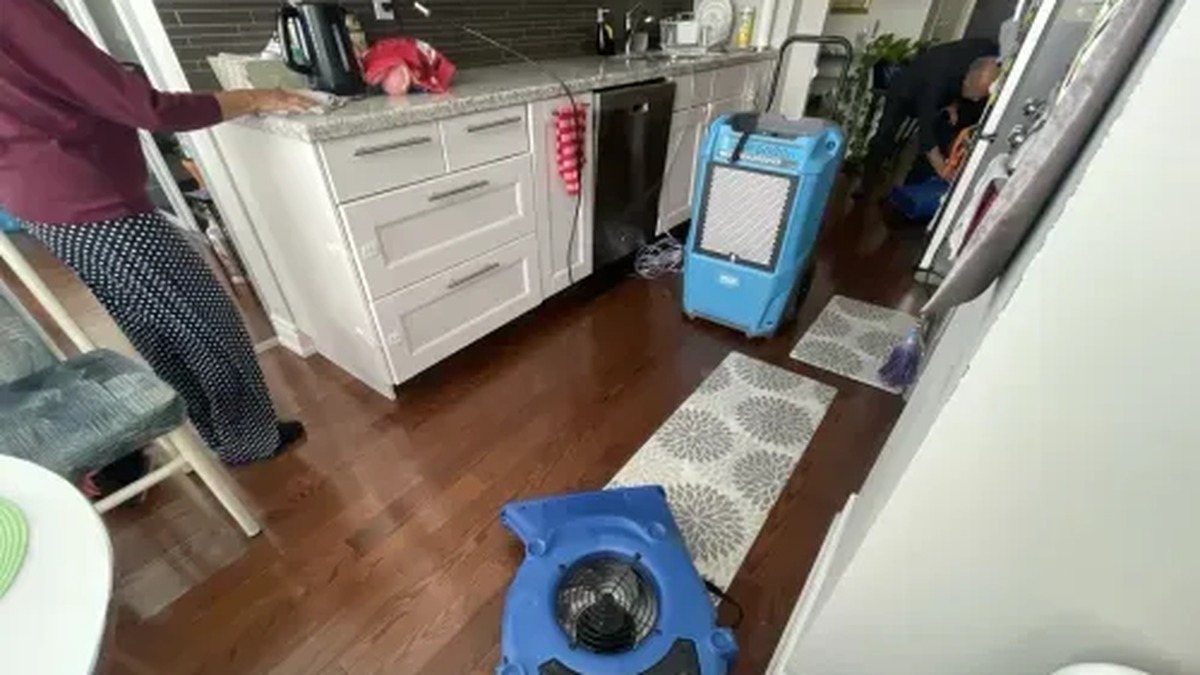

After a leak or flood, the evidence starts disappearing as soon as cleanup begins. Wet materials get thrown out, surfaces dry and stains fade. Documenting carefully from the start gives your adjuster the facts and protects you.
Report promptly
Florida law has tightened the deadlines for reporting property insurance claims in recent years. Report the loss to your insurer as soon as you can, and check your policy for its specific requirements.
Your documentation checklist
- Photos and video before anything is moved: the source of the water, standing water, water lines on walls, ceilings, floors, cabinets and belongings. Include wide shots of each room and close-ups.
- The cause: the failed pipe, fitting, appliance, roof area or drain, kept if possible.
- A timeline: when you discovered the water, who you called and when.
- A list of damaged items with approximate age and value, plus receipts if you have them.
- Receipts for emergency costs: plumber, tarping, equipment, hotel or other expenses.
- Professional moisture readings and a drying log showing what was wet, what was removed and when each area was dry.
- Copies of all communication with your insurer, adjuster, association or landlord.
Mitigate the damage
Policies generally expect you to take reasonable steps to prevent further damage, such as stopping the water and starting drying. Keep records of what you did and when.
Read before you sign
Ask any contractor for their license number, a written scope and a written estimate. Read every document before signing it, and ask questions if anything is unclear.
What we provide
ZM MADE Restoration documents every job with date-stamped photos, moisture maps and daily readings, and a clear scope of work. We don't give coverage advice; that belongs with your agent, adjuster or a licensed public adjuster.
Need a documented assessment? Call (561) 980-7688.
General information, not legal or insurance advice.