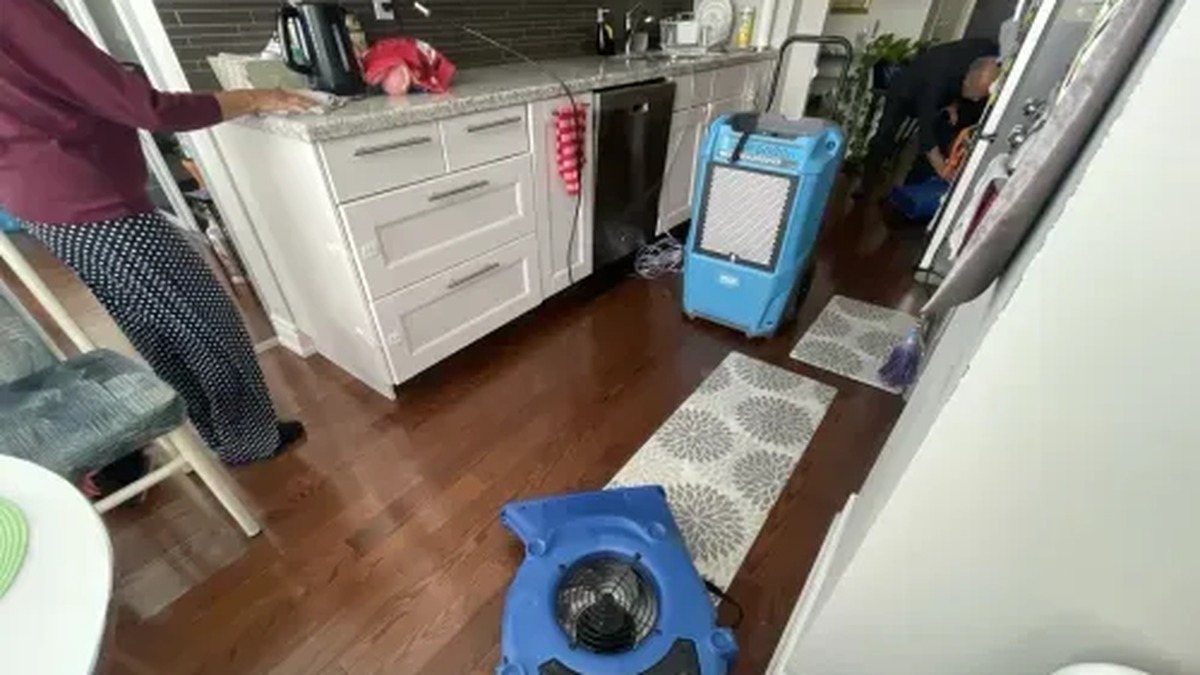
Fort Lauderdale is built around canals, the Intracoastal and the New River. During seasonal king tides, usually in the fall, and during heavy rain events, water can come up through storm drains and over seawalls into streets, garages and ground floors, sometimes on a sunny day.
Before the high-tide season
- Check your local tide and flood alerts and sign up for City of Fort Lauderdale notifications.
- Move valuables, paperwork and electronics off garage and ground-floor floors.
- Keep drains, gutters and yard drains clear so rainwater can leave the property.
- Know your shutoffs for water and electricity.
- Review your flood coverage. Standard homeowners policies generally don't cover rising floodwater; flood insurance is usually separate. Your agent can confirm what you have.
- Consider barriers such as door dams or sandbags at garage and patio doors if your street floods regularly.
When water gets inside
- Stay out of water that may be touching outlets or appliances.
- Treat street and tidal floodwater as contaminated: it carries salt, sewage, oil and debris.
- Photograph the water line on walls and all damaged items before cleanup.
- Call your insurer and a water damage company as soon as it is safe.
Why floodwater cleanup is different
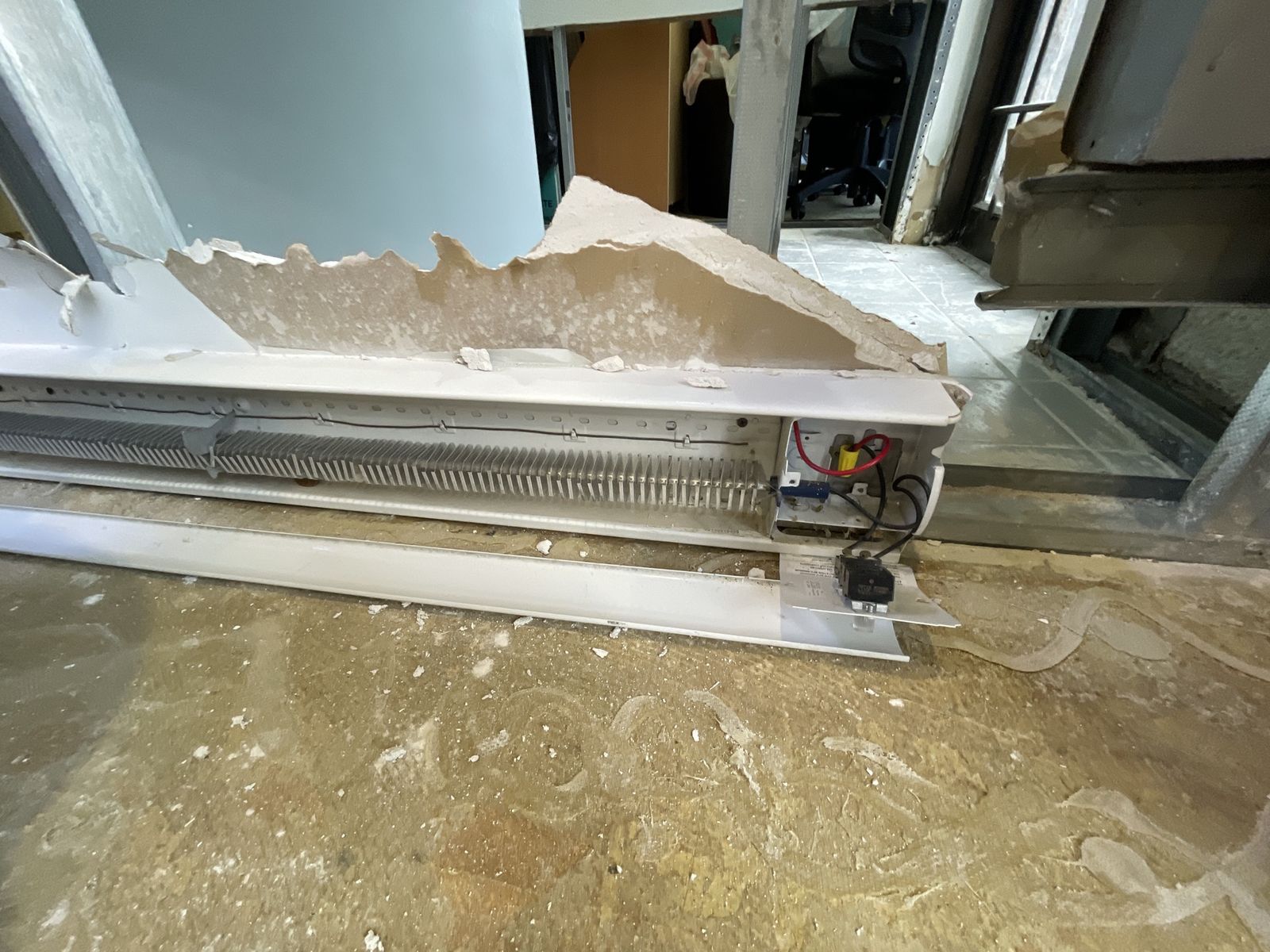
Floodwater from outside is usually Category 3 (grossly contaminated). Drywall, insulation, carpet and pad that it touched normally have to be removed, not just dried. The structure is then cleaned, disinfected and dried with daily moisture readings. Salt water can also affect wood and metal, so documentation matters for your claim.
ZM MADE Restoration
We respond 24/7 across Fort Lauderdale, Broward, Palm Beach and Miami-Dade with extraction, removal of contaminated materials, disinfection, structural drying and licensed mold remediation (Florida license MRSR5858).
Water came in from the street? Call (561) 980-7688 or request an estimate.