A musty, earthy smell is your nose detecting something growing where it stays damp. The EPA lists a moldy odor as a common sign of hidden mold, especially when you can’t see the source. The fix is not air freshener or a test kit. It is finding the moisture. Once the water source is found and stopped, the mold has nothing left to grow on.
Start with where the smell is strongest
Walk the home slowly with the AC off for a few minutes, then again with it running. Note where the smell is strongest and whether it gets worse when the AC turns on.
- Stronger when the AC runs points to the air handler, its drain pan, the ducts or the supply vents.
- Strongest in one room or closet points to a leak or condensation in that wall, floor or ceiling.
- Strongest near the floor points to wet carpet pad, a slab leak, or water wicking up the bottom of a wall.
- Worse after rain points to windows, sliding doors, stucco cracks or the roof.
Where hidden moisture usually hides in South Florida homes
- The AC closet: the drain pan, the condensate line, the bottom of the air handler and the floor and walls around it. See AC leaks.
- Under sinks and behind appliances: slow drips from supply lines, dishwasher hoses, ice maker lines and washing machine hoses. See appliance leaks.
- Around tubs and showers: failed grout or caulk, and shower pans leaking into the wall or the floor below.
- Windows and sliding glass doors: wind-driven rain getting past worn seals and running down inside the wall.
- Behind furniture on exterior walls, where air doesn’t move and walls stay cool and damp.
- Under flooring: carpet pad, or laminate over a damp slab. See slab leak signs.
- In condos: walls and ceilings shared with a neighbor whose leak is reaching your side.
EPA also notes mold can grow behind drywall, wallpaper and paneling, under carpets and pads, above ceiling tiles, and inside ductwork.
Check the humidity, too
Sometimes there is no leak at all, only a house that stays too humid. An inexpensive hygrometer tells you. The EPA recommends keeping indoor humidity below 60 percent, ideally between 30 and 50 percent. In South Florida, readings that stay higher often mean an AC that is oversized, short-cycling or not draining properly.
Should you test for mold?
Usually not first. The EPA says sampling is usually unnecessary when you can see mold, and there are no federal limits to compare results against. A lab result can’t tell you where the water is coming from. Finding the moisture is what solves the problem.
Testing has its place, for example to confirm a cleanup worked. In Florida, mold assessment is a licensed profession, and under Florida Statute 468.8419 the company that assesses a property cannot also remediate it. That rule protects you. ZM MADE Restoration does the remediation and can coordinate an independent licensed assessor when testing or clearance is wanted.
Small spot or bigger problem?
- Small: the EPA says mold covering less than about 10 square feet can usually be cleaned by a homeowner, once the moisture source is fixed.
- Call a professional when the area is larger, the smell comes from the AC or ducts, the water may have been contaminated, or you can’t find the source.
What we do when you call about a smell
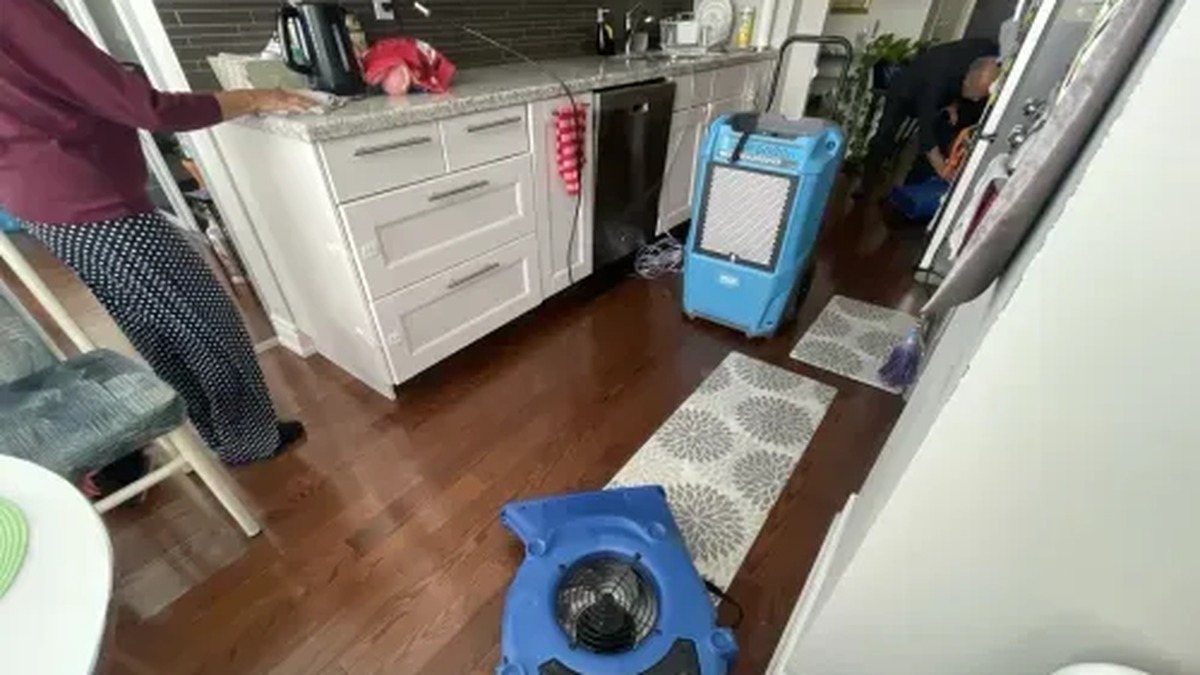
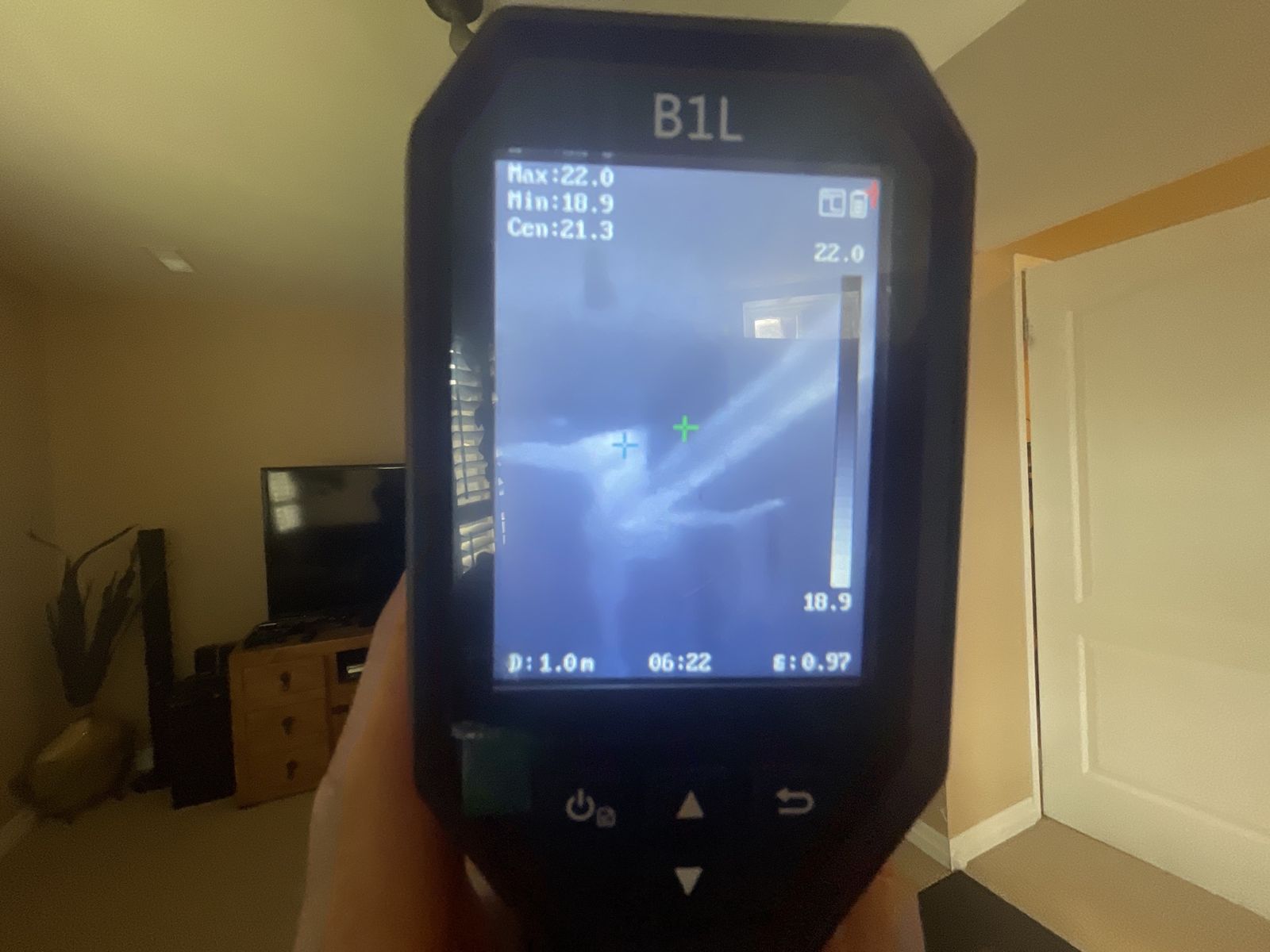
We start with leak detection: moisture meters and thermal imaging to find the wet area without opening walls. Then we fix the drying problem. If mold is present, we provide licensed mold remediation under Florida license MRSR5858. That means containment, removal, cleaning and drying, with an independent assessor for verification if you want one.
Smell won’t go away? Call (561) 980-7688 or request a free on-site estimate.
Frequently Asked Questions
Can a musty smell come from the AC alone?
Yes. A dirty or overflowing drain pan, a wet air handler cabinet or damp ductwork can spread a musty smell through the whole home every time the system runs. Have the AC checked by a licensed HVAC contractor, and have the area around it checked for water damage.
Will an air purifier or dehumidifier fix it?
They can reduce the smell and the humidity, but they don’t stop a leak. If the source is a hidden water problem, the smell comes back.
Is the smell harmful?
The EPA notes that mold can cause health effects in some people, especially those with allergies or asthma. If anyone in the home has symptoms, talk with a doctor and get the moisture source found quickly.