Most homes in Fort Lauderdale and Broward County are built on concrete slabs, with water lines running under or through the concrete. When one of those lines leaks, water can spread under flooring and into walls for a long time before anyone sees it.
Common signs of a slab leak
- A water bill that jumps without a change in how you use water
- The sound of running water when every fixture is off
- The water meter moving with everything turned off
- Warm spots on the floor, often from a hot-water line leak
- Damp or cupping flooring, loose tiles or wet carpet with no obvious source
- Musty smells or mold at the base of walls
- New cracks in tile or walls
A simple meter test
Turn off every faucet, appliance and irrigation zone. Note the reading on your water meter (or watch the leak indicator) and check again after 30–60 minutes without using water. If it moved, there is a leak somewhere. That doesn't confirm it is under the slab, but it is a good reason to have it checked.
How leaks are found without tearing up the floor
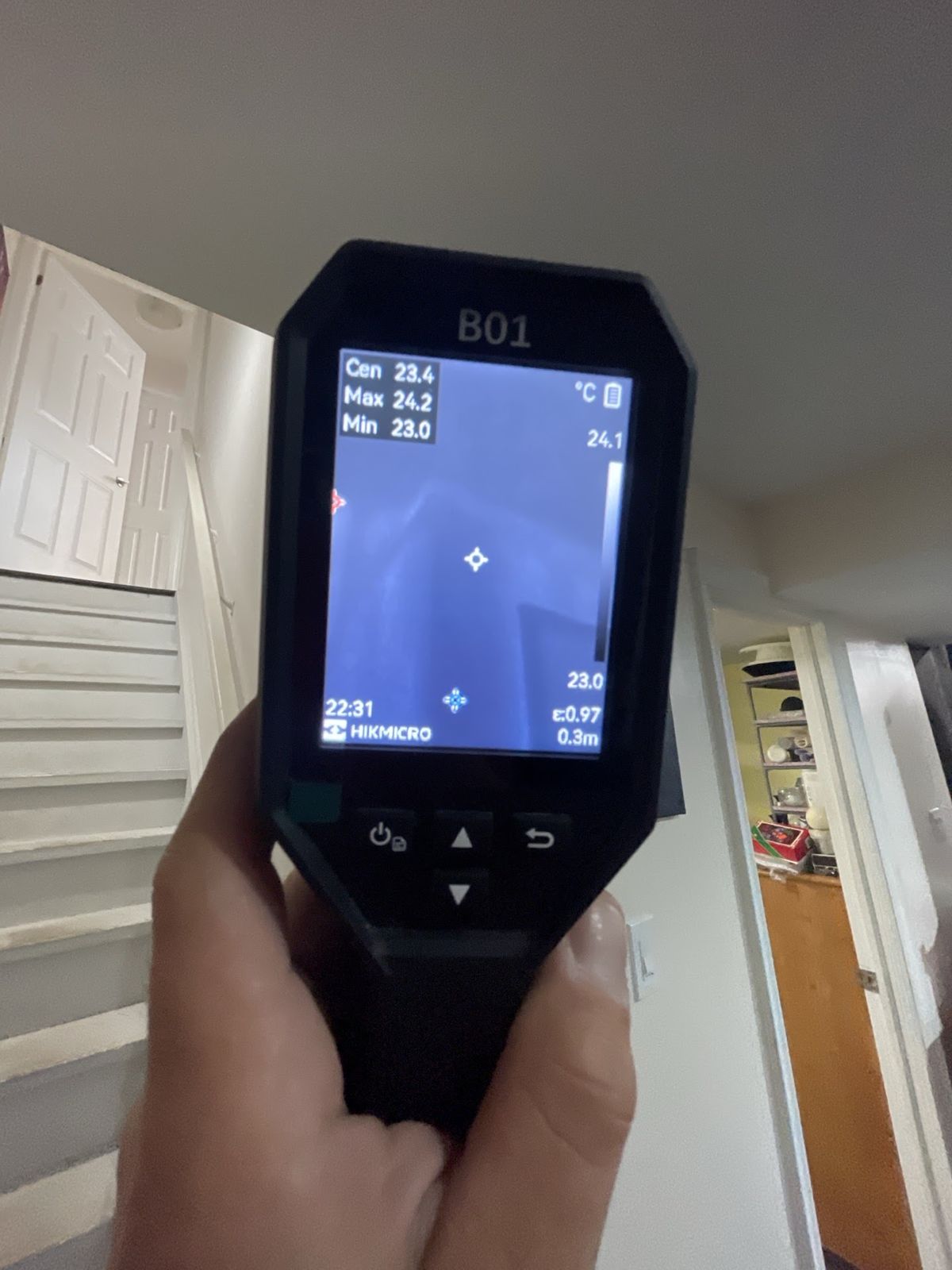
Thermal imaging, moisture meters and other non-invasive tools narrow down where the water is, so only a small, targeted area needs to be opened for the plumber's repair. Finding the wet area first also tells you how far the water has already spread.
After the repair: drying
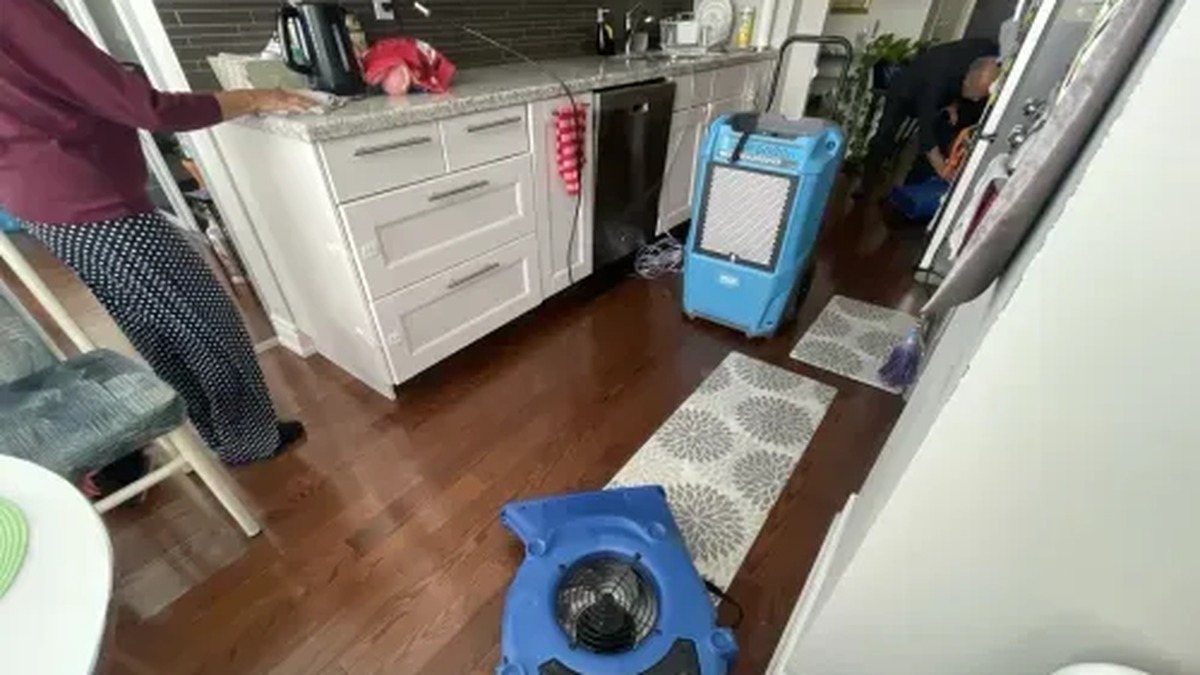
Once a licensed plumber fixes the line, the slab, flooring and wall bottoms still need to dry. Concrete holds water, so drying is checked with readings until it reaches a normal level. Flooring that has swollen or delaminated may need to come up.
ZM MADE Restoration offers leak detection, drying and documentation across Fort Lauderdale, Broward, Palm Beach and Miami-Dade. Call (561) 980-7688 or learn about leak detection.