South Florida storms bring wind-driven rain that finds every weak spot: lifted shingles, cracked tiles, failed flashing, roof vents and skylights. By the time a drip appears on the ceiling, water has usually already soaked the insulation and drywall above it.
What to do right away
- Protect people and power. Keep away from sagging ceilings, and shut off power to rooms where water is near lights or fans.
- Catch the water with buckets and move furniture and electronics out of the way.
- Relieve a bulging ceiling only if it is safe: a small hole at the lowest point lets water drain into a bucket instead of the ceiling collapsing. If in doubt, stay out of the room.
- Photograph the ceiling, walls, floors and any roof damage you can see safely from the ground.
- Get the roof tarped by a roofer as soon as it is safe, and keep receipts.
- Report the claim to your insurer promptly.
Why ceilings need more than a coat of paint
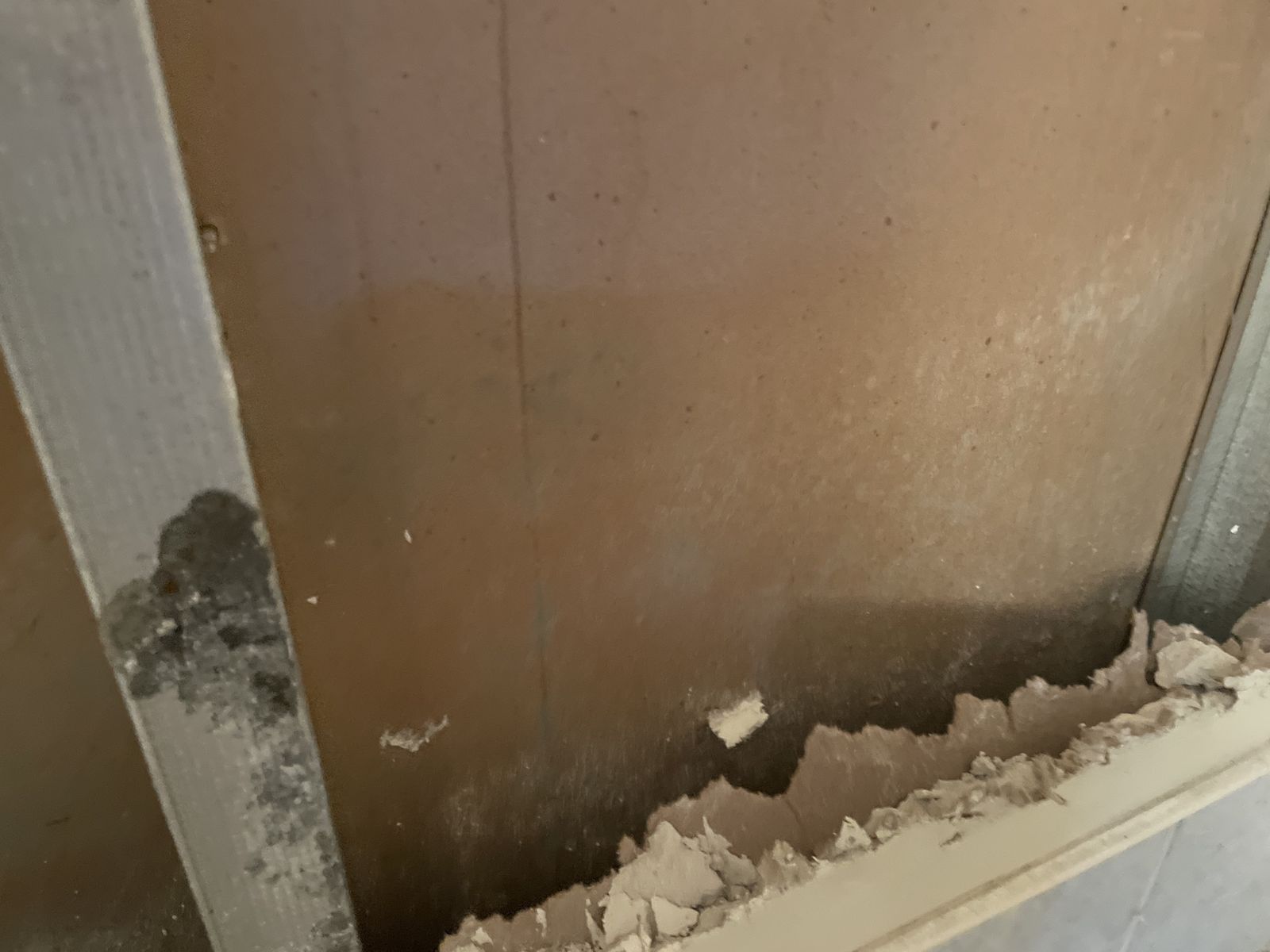
Wet insulation holds water against the drywall for days. Ceiling drywall that has been soaked often sags, stains again and can grow mold on the back side. Moisture meters and thermal imaging show how far the water spread across the ceiling and down inside the walls.
Drying a roof leak properly
- Remove wet insulation and ceiling sections that can't be dried
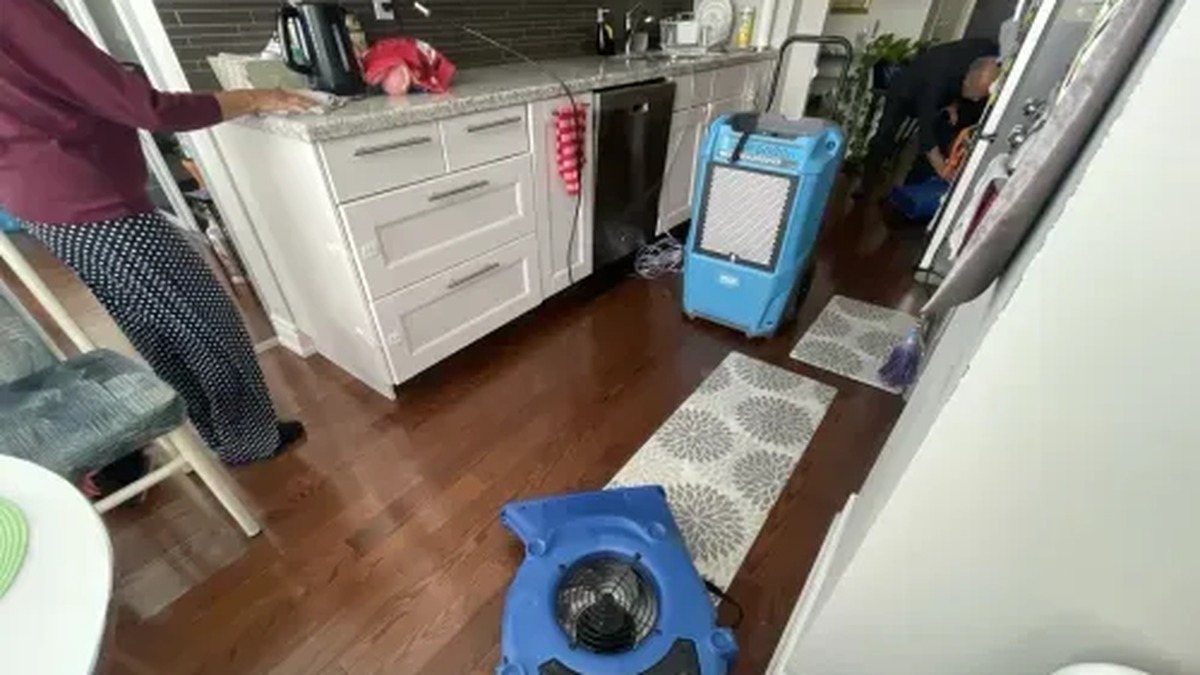
- Dry framing and wall cavities with air movers and dehumidifiers
- Check readings daily until materials reach a dry standard
- Document every step for your adjuster
The roof repair is done by a licensed roofer. ZM MADE Restoration handles the inside: extraction, drying, documentation and, if needed, licensed mold remediation (Florida license MRSR5858).
Water coming through the ceiling? Call (561) 980-7688, 24/7.